
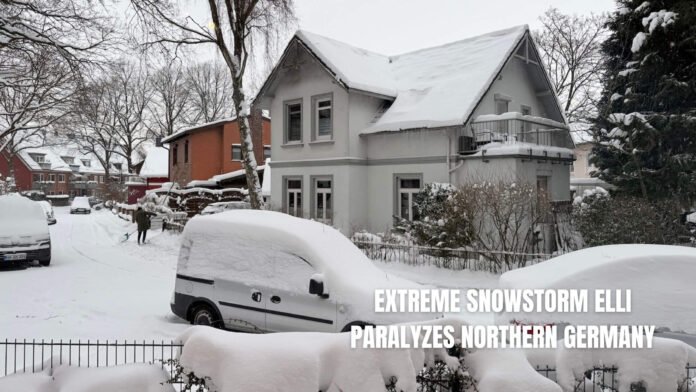
Northern Germany is grappling with one of the most severe winter storms in recent years, dubbed Snowstorm Elli. This powerful system has brought heavy snowfall, gale-force winds, and plummeting temperatures, leading to widespread disruptions across the region.
Drawing from the latest meteorological data, news reports, and real-time user accounts, this article delves into the storm’s origins, impacts, statistics, and future outlook to provide a thorough, informative guide for residents and observers alike.
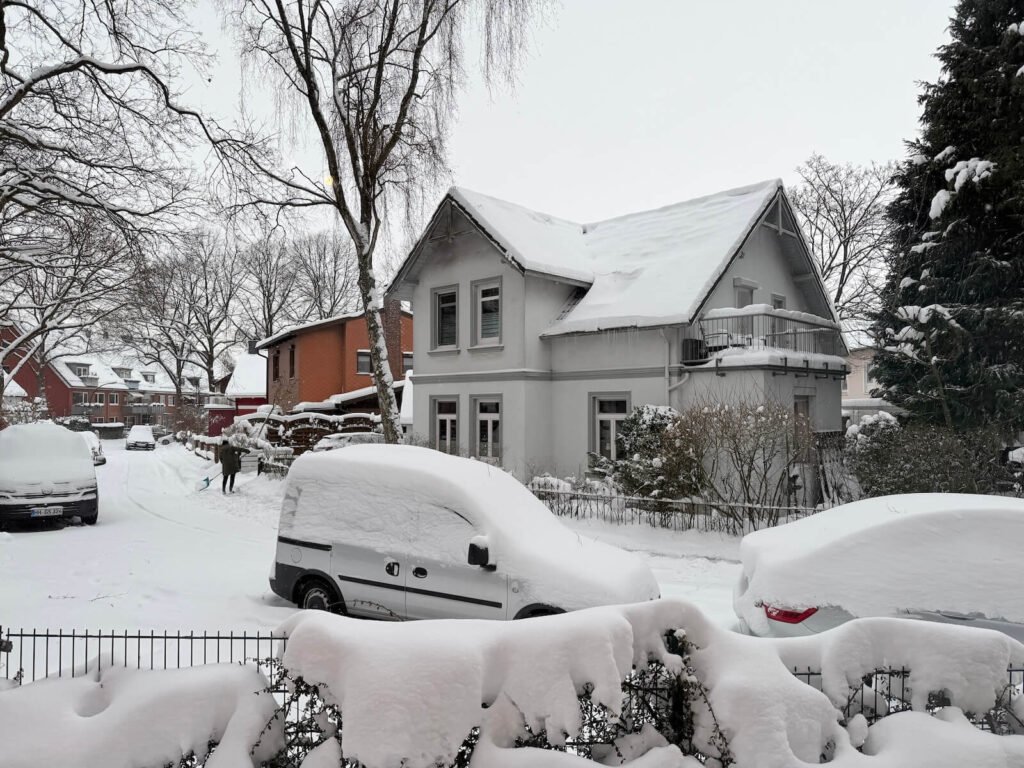
Snowstorm Elli’s Origins and Path
Snowstorm Elli, also known as Storm Goretti in broader European contexts, originated over the Atlantic and intensified as it moved eastward, fueled by a clash of polar air masses and warmer southwestern flows.
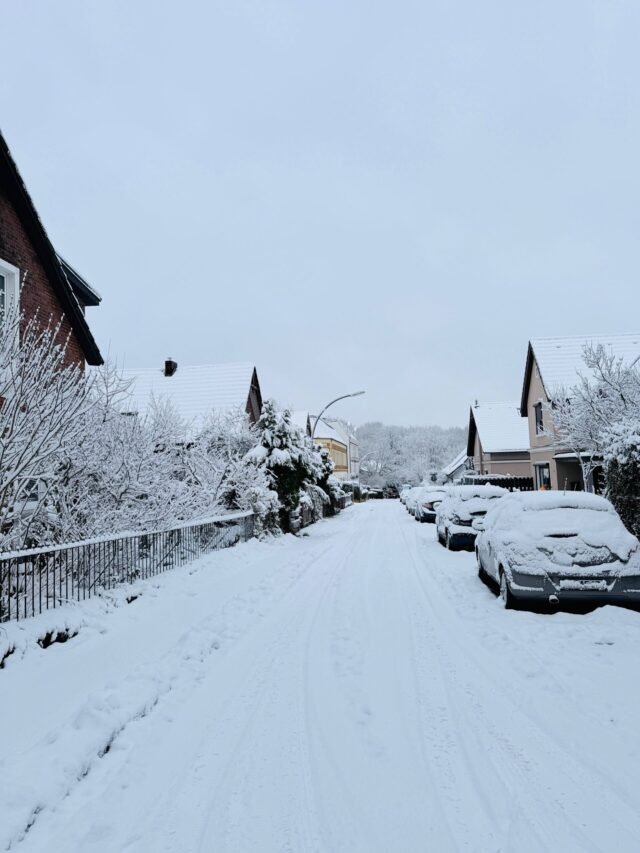




It entered Germany from the southwest on January 8, rapidly progressing northeastward. By January 9, the storm’s core was centered over northern regions, including Hamburg, Schleswig-Holstein, and Lower Saxony, with extensions affecting central and southern areas.
Meteorological models indicate the storm will weaken and shift eastward toward the Czech Republic by January 10, but not before dumping significant precipitation across the country.
Key path statistics:
- Snowstorm Elli duration in Germany: Approximately 48-72 hours, peaking on January 9.
- Wind speeds: Up to 135 mph (217 km/h) in nearby European countries, with Germany experiencing gusts of 40-60 mph (64-97 km/h), escalating to 100 mph (161 km/h) in exposed areas.
- Transition zones: Snow turning to freezing rain in southern and central regions, creating hazardous glaze ice from Bremen to Berlin.
Weather Warnings and Alerts Issued
The German Weather Service (DWD) has escalated alerts to red (severe) levels for much of northern Germany, warning of “extreme” conditions.
These include risks of heavy snowfall, black ice, and snow drifts, effective from the evening of January 8 through January 10.
Alert breakdown:
- Red snow warnings: Hamburg and surrounding areas, anticipating 10-15 cm of snow in 9-12 hours.
- Severe weather level: 3 out of 4 for regions from East Frisia to Hamburg and Schleswig-Holstein, due to combined snow and wind.
- Additional hazards: Freezing rain in a corridor from Bremen to Berlin, with local risks of black ice and gale-force winds.
- National coverage: By January 10, snow is expected to blanket the entire country, with warnings extending to Bavaria and Baden-Württemberg.
Residents are urged to stay indoors, postpone travel, and prepare emergency kits.
Snowfall Amounts and Accumulations
Snowfall has been intense and rapid, with accumulations varying by region. Northern lowlands are seeing the heaviest dumps, exacerbated by strong easterly winds creating drifts up to 1 meter high.
Detailed statistics:
- Northern Germany (Hamburg, Schleswig-Holstein): 10-20 cm fresh snow on January 9, with localized totals up to 25 cm in 12 hours; drifts amplifying effective depths to 50 cm in some spots.
- Central regions: 3-10 cm, with flashpoints reaching 15 cm.
- Southern areas (Bavaria, Baden-Württemberg): Up to 25 cm expected by January 10, following initial falls of 5-10 cm.
- Stau effects (windward mountain sides like Allgäu, Schwarzwald): Additional 20 cm+ in localized areas.
- Broader EU context: 5-10 cm widespread in lowlands, up to 30 cm locally in Benelux regions, contributing to Germany’s Snowstorm Elli intensity.
User reports on X highlight “massiven Schneesturm” in the northeast, with some areas approaching half a meter total accumulation.
Temperature Drops and Cold Records
Accompanying the snow is an Arctic cold blast, pushing temperatures well below seasonal norms and setting potential records for early January.
Key data:
- Daytime highs: 0°C to -5°C in northern areas on January 9.
- Nighttime lows: -12°C in Berlin, locally below -15°C over snow-covered ground; forecasts predict drops to -20°C by the weekend.
- Anomalies: 12-15°C below average across Europe, marking this as a “rarely cold January” per DWD.
- Frost duration: Persistent sub-zero conditions expected through mid-January, with dauerfrost (continuous frost) in many regions.
This cold snap has already led to widespread frost and ice formation, heightening risks of hypothermia and infrastructure damage.
Transportation Disruptions
Snowstorm Elli has brought transportation networks to a standstill, with snow, ice, and winds causing chaos on roads, rails, and in the air.
Impact statistics:
- Roads: Hundreds of kilometers of traffic jams, multiple accidents due to black ice; motorways closed in Bavaria and Saxony-Anhalt. Truck drivers stranded, with warnings of “verkehrszusammenbruch” (traffic collapse) in the north.
- Rails: Deutsche Bahn reporting widespread delays and cancellations in northern states; full shutdowns in parts of the Netherlands rippling into Germany.
- Aviation: Over 700 flight cancellations at major hubs like Frankfurt and Hamburg; broader European disruptions affecting 1,000+ flights.
- Overall: Travel deemed “difficult to impossible,” with officials advising postponement of all non-essential trips.
School Closures and Public Services
Educational and public institutions have been heavily impacted, prioritizing safety amid the storm.
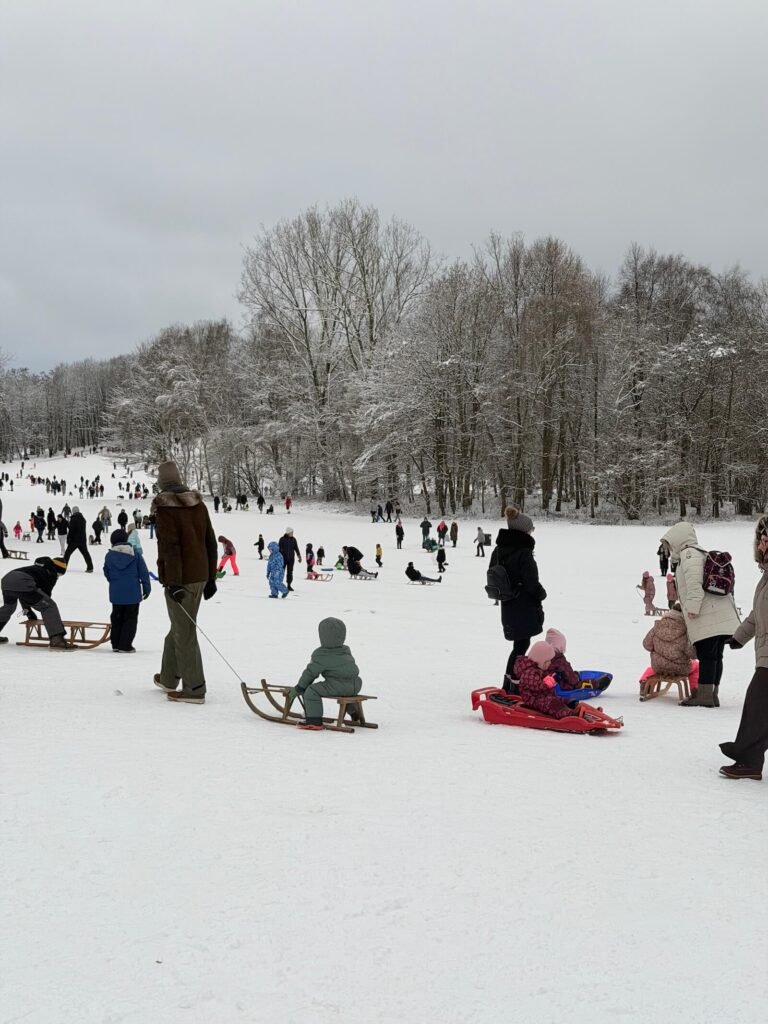
Details:
- Schools closed: In Berlin, Brandenburg, North Rhine-Westphalia, and northern states; affects millions of students, with remote learning urged where possible.
- Kindergartens and daycares: Similarly shuttered, straining working parents.
- Public events: German Chancellor Friedrich Merz’s CDU party meeting canceled; other gatherings postponed.
- Emergency services: Hospitals are strained, with an increase in calls for weather-related injuries; fatal accidents are reported due to ice.
Power Outages and Infrastructure Strain
The combination of wind, snow, and cold is testing Germany’s infrastructure, with risks of widespread failures.
Statistics:
- Outages: Major incident in southwest Berlin affecting 45,000-50,000 households and 2,000 businesses; repairs could take days. Across Europe, hundreds of thousands were without power.
- Energy demand: Spiked heating needs amid low renewable output; gas storage levels at ~50%, unusually low for early January.
- Infrastructure risks: Power lines vulnerable to ice buildup; telecom disruptions noted in affected areas.
Economic and Energy Impacts
The storm’s economic toll is mounting, particularly in densely populated northern regions.
Estimates:
- Short-term costs: Hundreds of millions of euros from flight cancellations, traffic delays, and productivity losses.
- Energy market: Rising gas and power prices due to a surge in demand; sensitivity heightened by low storage levels.
- Broader effects: Tourism hit (e.g., ski areas benefit but access issues); insurance claims for accidents and damage expected to rise.
Resident Experiences and Safety Tips
Real-time accounts from X users paint a vivid picture:
“Markante Schneesturm kommt… bis halben Meter!”
warns one, while others report power outages and hazardous roads. Safety advice includes stocking essentials before January 9, avoiding outdoor exposure, and monitoring DWD updates.
Future Forecast and Outlook
Post-Elli, an Arctic cold blast will persist through mid-January, with ongoing frost and potential additional snow. Snow transitions to rain in the south by January 10, but northern drifts and sub-zero temps continue. Monitor for updates, as conditions could evolve rapidly. This snowstorm, Elli, underscores the intensifying winter events in a changing climate.

 English
  German